Get Dead Tree Removal in Superior, WI
Dead Tree Removal services for property owners in Superior, WI, and nearby areas address hazardous, dead, or decaying trees, stump grinding, and tree health assessments.
Dead tree removal services are often considered by property owners in Superior, WI to enhance safety and prevent potential hazards. Dead or decaying trees can pose risks of falling branches or toppling altogether, especially during strong winds or storms. Removing these trees helps to eliminate the danger they may present to people, pets, and nearby structures, providing peace of mind and a safer environment for residents and visitors alike.
In addition to safety, dead tree removal can significantly improve a property's appearance and functionality. Clearing out unsightly, decaying trees can boost curb appeal and make outdoor spaces more inviting. It also reduces ongoing maintenance needs by preventing fallen branches and debris from cluttering yards or clogging drainage systems. Overall, investing in dead tree removal can contribute to a more durable, attractive, and low-maintenance landscape.
- Storm damage cleanup - dead tree removal may be needed after severe weather events to clear fallen or hazardous trees.
- Property maintenance - homeowners might require dead tree removal to improve landscape safety and appearance.
- Construction projects - clearing dead or dying trees is often necessary before new building or landscaping work begins.
- Tree health concerns - dead or decaying trees can pose risks and may need removal to prevent potential hazards.
- Urban or suburban tree management - local pros are often contacted to remove dead trees that threaten power lines or public safety in communities like Superior, WI.
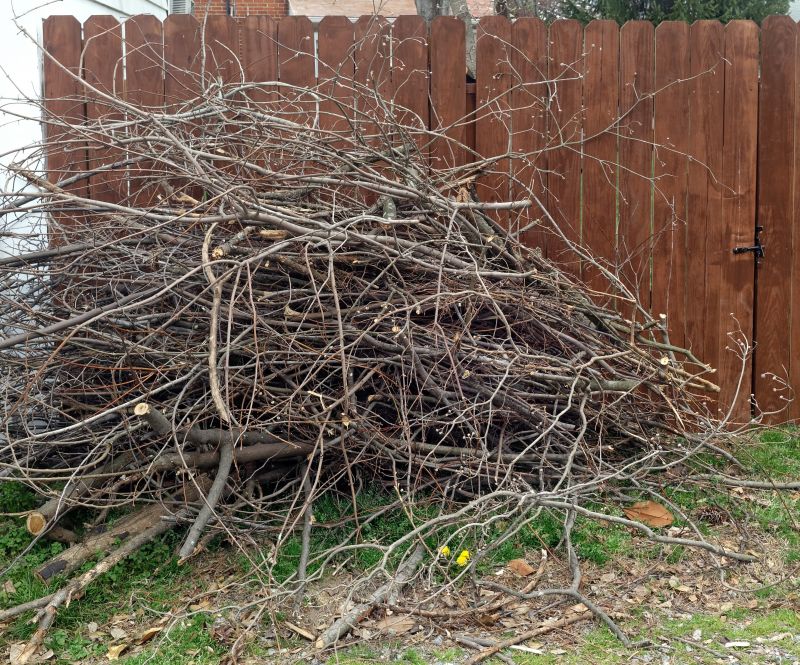
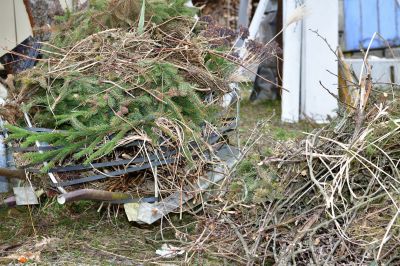
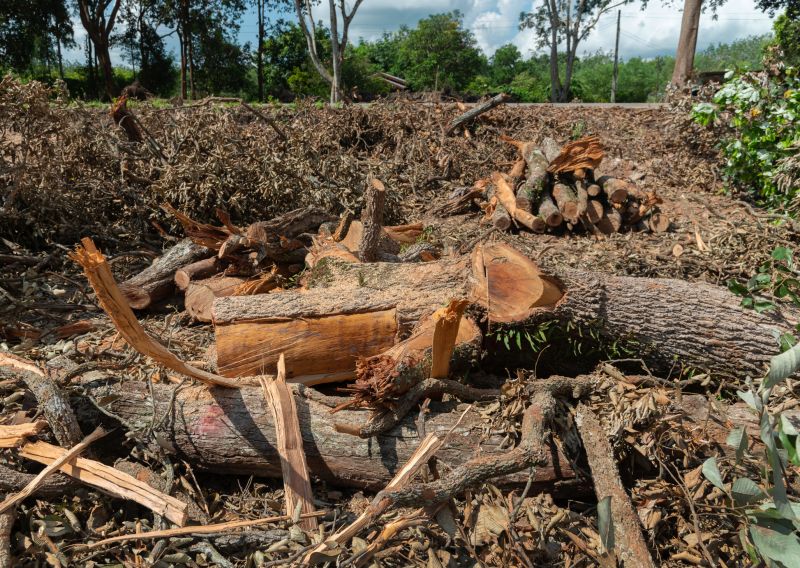
Dead tree removal services involve the careful and efficient removal of trees that are dead, decaying, or severely damaged. These services typically include the assessment of the tree’s condition, the safe cutting down of the tree, and the removal of the remaining trunk and branches. Professionals may also handle the grinding of stumps and cleaning up debris to restore the appearance and safety of the property. Proper dead tree removal can help prevent potential hazards associated with unstable or falling branches and trunks, especially during storms or high winds.
One of the primary problems dead tree removal addresses is the risk of property damage or personal injury. Dead or dying trees are more likely to fall unexpectedly, which can cause damage to structures, vehicles, or landscaping. Additionally, dead trees can attract pests such as termites or beetles that may spread to nearby healthy trees or structures. Removing these trees helps mitigate these issues, reducing the likelihood of costly repairs and maintaining the safety of residents and visitors.
Properties that often utilize dead tree removal services include residential homes, commercial properties, parks, and public spaces. Residential properties may seek removal to protect family members and pets from potential hazards, as well as to improve curb appeal. Commercial properties, especially those with large landscapes or outdoor seating areas, may prioritize dead tree removal to ensure safety and maintain a professional appearance. Public parks and municipal areas also frequently require these services to manage tree health and safety across larger green spaces.
Professional dead tree removal services are typically performed by experienced arborists or tree care companies that have the necessary equipment and expertise. These services are suitable for a variety of property types, from single-family homes to large commercial developments. Contacting local tree care providers can help property owners and managers find the right solution for safely and effectively removing dead or hazardous trees, ensuring the safety and aesthetics of the property are maintained.
The overview below groups typical Dead Tree Removal projects into broad ranges so you can see how smaller, mid-sized, and larger jobs often compare in Superior, WI.
In many markets, a large share of routine jobs stays in the lower and middle ranges, while only a smaller percentage of projects moves into the highest bands when the work is more complex or site conditions are harder than average.
Cost Range for Small Trees - Removing small trees or shrubs typically costs between $150 and $500, depending on size and accessibility. For example, a tree under 10 feet may fall within this range, with some jobs costing closer to $200.
Cost Range for Medium Trees - The removal of medium-sized trees, approximately 20 to 40 feet tall, generally ranges from $300 to $1,000. Factors influencing price include location, tree condition, and complexity of removal.
Cost Range for Large Trees - Large trees over 50 feet can cost between $1,000 and $3,000 or more. These jobs often require specialized equipment and additional labor, which can increase the overall cost.
Additional Cost Factors - Costs may vary based on tree location, proximity to structures, and the need for stump grinding. Extra services like stump removal can add $100 to $400 to the total cost, depending on size and scope.
Actual totals will depend on details like access to the work area, the scope of the project, and the materials selected, so use these as general starting points rather than exact figures.
Dead Tree Removal services involve safely removing hazardous or unwanted trees that have died or are decaying, preventing potential damage to property or injury. Local professionals can assess the tree's condition and perform removal to ensure safety and compliance with local regulations.
Stump Grinding and Removal services are often paired with dead tree removal to eliminate remaining stumps that can be unsightly or pose tripping hazards. Experienced contractors use specialized equipment to efficiently grind down stumps below ground level.
Tree Health Assessments help identify dead or dying trees early, allowing property owners to plan for removal before hazards develop. Local arborists or tree removal specialists can provide evaluations and recommend appropriate action.
Emergency Tree Removal services are available for trees that pose immediate risks due to decay, storm damage, or instability. Local contractors respond quickly to remove dangerous trees and minimize property damage.
Land Clearing Services include removing dead trees along with brush and other debris to prepare properties for development or landscaping. These services are performed by professionals experienced in large-scale tree and vegetation removal.
Hazard Tree Removal focuses on removing trees that threaten structures, power lines, or public safety due to decay or structural weakness. Local experts evaluate hazards and carry out removals to reduce risks.
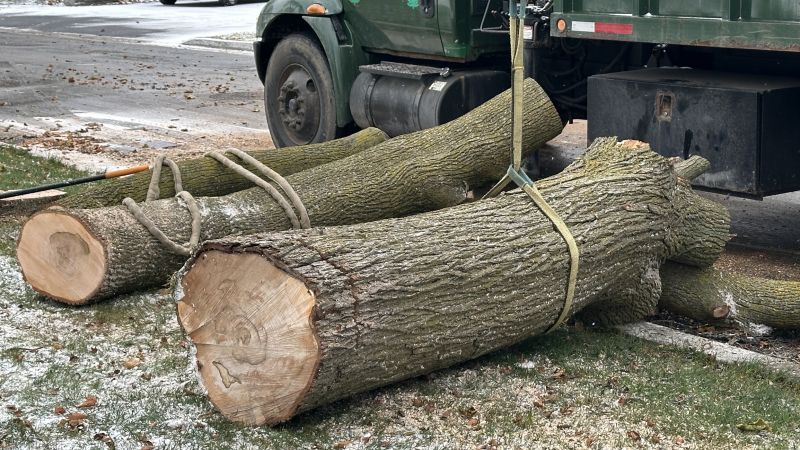
When choosing a local service provider for dead tree removal, it’s important to consider the experience of the professionals. Homeowners should look for contractors who have a history of handling similar projects within the community, as this can indicate familiarity with local trees, common challenges, and appropriate removal techniques. Experienced providers are often better equipped to assess potential risks and recommend suitable solutions, ensuring the work is performed efficiently and effectively.
Clear communication and written expectations are crucial when working with a tree removal contractor. Homeowners should seek providers who offer detailed descriptions of the scope of work, pricing, and any necessary preparations or follow-up steps. Having these expectations documented helps prevent misunderstandings and provides a reference point throughout the project. Reputable local pros are typically transparent about their processes and willing to address questions or concerns before beginning work.
Reputation and references are key factors in selecting a dead tree removal service. Homeowners are encouraged to request references or reviews from previous clients to gauge the quality of work and customer satisfaction. Reliable providers often have a track record of positive feedback and are known within the community for dependable service. Effective communication is also vital; professionals should be responsive, approachable, and willing to provide guidance or clarification during the planning and execution stages, ensuring a smooth and satisfactory experience.
Property owners in Superior, WI use Dead Tree Removal services for practical projects around their homes and businesses. The sections below highlight everyday jobs and straightforward project options.
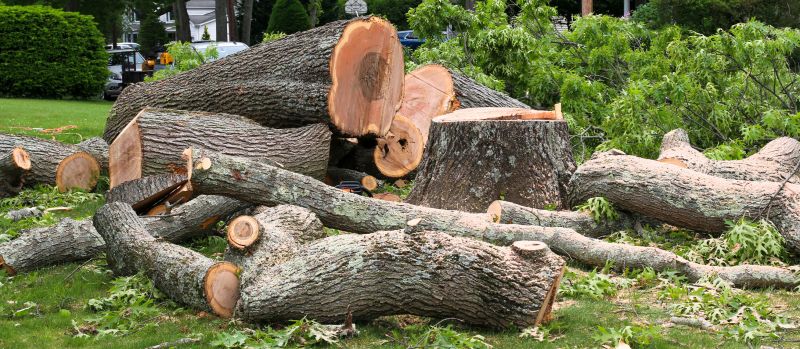
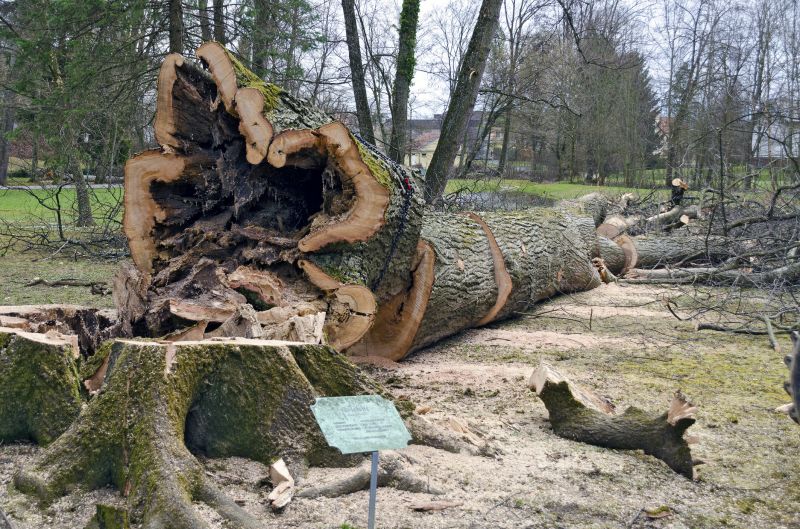
Dead tree removal services are commonly sought by property owners in Superior, WI, when trees become hazardous or pose a risk to nearby structures, power lines, or pedestrians. Overgrown or damaged trees can create safety concerns, especially during storms or high winds, prompting residents to seek professional assistance to safely and efficiently remove these trees. Additionally, property owners may request dead tree removal to improve the aesthetic appeal of their landscape or to prepare for future landscaping projects.
In some cases, trees may be removed to prevent the spread of disease or decay that could affect surrounding healthy vegetation. Property owners might also opt for dead tree removal when trees are leaning dangerously or have become unstable, reducing the likelihood of accidental damage or injury. Local service providers can evaluate the situation and recommend appropriate removal methods to address these everyday concerns.
How long does dead tree removal typically take? The duration of dead tree removal varies depending on factors such as tree size and location. Local service providers can provide estimates based on the specific situation.
Is dead tree removal necessary for safety? Removing dead trees can reduce the risk of falling branches or trees, which may pose safety concerns. Consulting with local pros can help determine if removal is advisable.
What should I consider before hiring a dead tree removal service? It’s important to review the experience and reputation of local providers, and to discuss the scope of work to ensure it meets your needs.
Are there any permits required for dead tree removal? Permit requirements vary by location; contacting local authorities or service providers can clarify if permits are needed in your area.
How can I find qualified dead tree removal professionals nearby? You can contact local tree removal specialists or service providers who specialize in dead tree removal to get assistance with your project.
Dead Tree Removal Services - Local pros can assess trees that pose safety risks or are dead, providing professional removal options.
Tree Health Assessments - Experts evaluate the condition of dead or dying trees to determine the best removal or treatment strategies.
Emergency Tree Removal - In cases of storm damage or urgent hazards, specialists can safely remove fallen or compromised trees.
Stump Grinding and Cleanup - After tree removal, service providers can handle stump grinding and site cleanup to restore the landscape.
Considering Dead Tree Removal for a property in Superior, WI? The sections above highlight common project types, practical options, and details that often shape the scope of work.
When you are ready, use the quote form to share a few details about your project. Local pros can review the basics and respond with options that match what you have in mind.