Get Dead Tree Removal
Dead Tree Removal services help property owners safely remove dead or hazardous trees, stump grinding, and clearing land for safety or future projects.
Dead tree removal is an important step in maintaining the safety and appearance of a property. Whether a tree has become diseased, damaged, or poses a risk to nearby structures, property owners often seek professional assistance to handle the job efficiently and safely. Exploring local contractors who specialize in dead tree removal can help ensure the work is completed to industry standards, giving peace of mind that the project is in capable hands.
For property owners planning landscaping updates, clearing space for new features, or simply removing hazards, comparing options among local service providers can lead to the best solution for their specific needs. By considering experienced contractors in the area, individuals can find the right support to manage dead tree removal effectively, making it easier to keep properties safe and well-maintained.
- Dead tree removal - needed when a tree has become hazardous due to disease, damage, or decay.
- Storm-damaged tree cleanup - required after severe weather events cause trees to fall or become unstable.
- Overgrown tree clearing - necessary when trees and dead branches obstruct views, walkways, or structures.
- Urban tree removal - needed in city or neighborhood settings to manage tree health or prevent interference with utilities.
- Old or dying tree removal - advised when a tree shows signs of decline or poses a risk to nearby property or people.
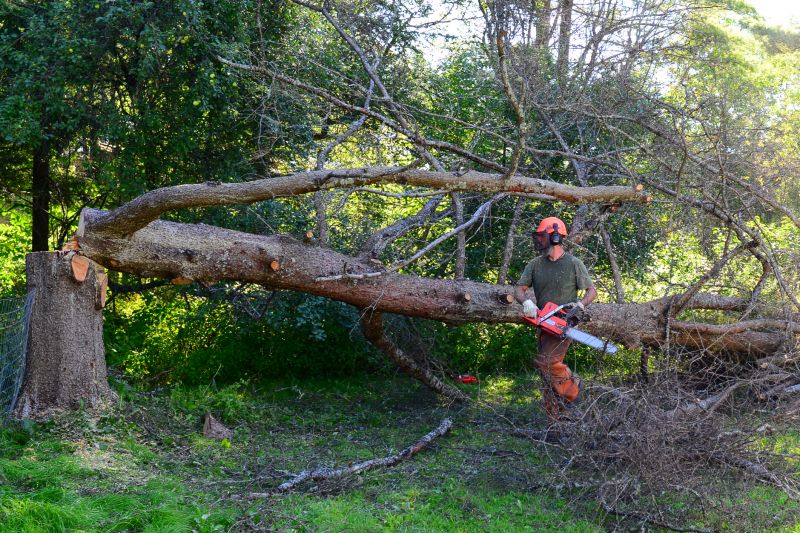
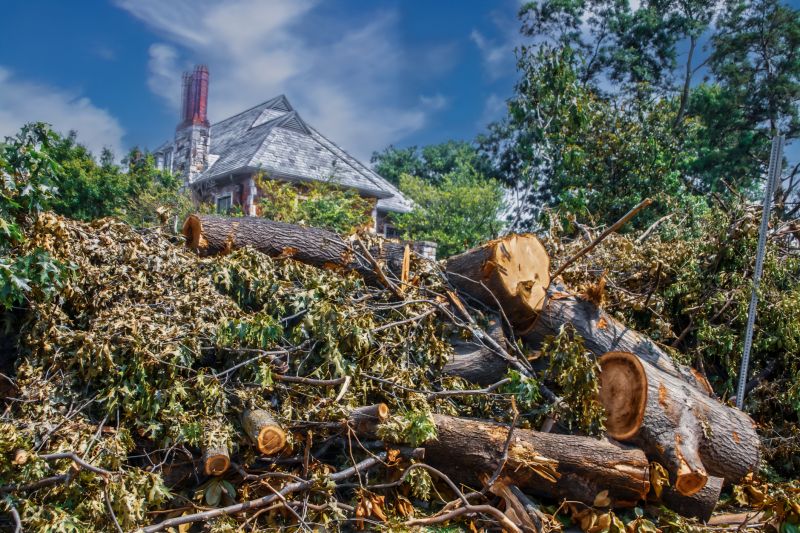
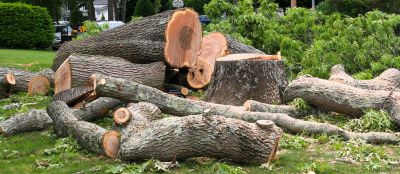
Dead tree removal services involve the safe and efficient removal of trees that are dead, dying, or pose a risk to the property. These services typically include assessing the health of the tree, planning the safest method for removal, and using specialized equipment to cut and dismantle the tree. The goal is to eliminate hazards such as falling branches or entire trees that could cause damage to structures, vehicles, or people. Professional contractors prioritize safety and proper disposal, ensuring that the removal process is handled carefully to prevent damage to surrounding landscaping or property features.
This service helps resolve several common problems associated with dead or hazardous trees. Dead trees can become weak and unstable, increasing the risk of unexpected falling branches or toppling over during storms or high winds. Additionally, decaying wood can attract pests like termites or beetles, which may spread to nearby healthy trees or structures. Removing dead trees also improves the overall appearance of a property, making it safer and more visually appealing. For homeowners concerned about safety or aesthetic issues, dead tree removal offers a practical solution to maintain the integrity of their landscape.
Various types of properties benefit from dead tree removal services. Residential homes with mature trees in yards or gardens often need this work to prevent potential hazards. Commercial properties, such as office complexes, retail centers, or industrial sites, also frequently require dead tree removal to ensure safety for employees, customers, and visitors. Additionally, public parks, schools, and community spaces may utilize these services to maintain a safe environment for visitors. In all cases, local contractors can evaluate the specific needs of each property and recommend appropriate removal strategies to address dead or hazardous trees effectively.
Homeowners and property managers should consider dead tree removal when trees show signs of decay, disease, or significant damage. Indicators include dead branches, sparse foliage, cracks in the trunk, or leaning trees. Prompt removal can prevent accidents and further property damage, especially before severe weather events. By working with experienced local service providers, property owners can ensure that dead trees are removed safely and efficiently, helping to preserve the safety, beauty, and value of their property. Contacting local pros for this work provides access to experts equipped to handle various tree removal challenges with care and precision.
The overview below groups typical Dead Tree Removal projects into broad ranges so you can see how smaller, mid-sized, and larger jobs often compare in your area.
In many markets, a large share of routine jobs stays in the lower and middle ranges, while only a smaller percentage of projects moves into the highest bands when the work is more complex or site conditions are harder than average.
Smaller Tree Removals - for trees that are less than 30 feet tall, costs typically range from $250 to $600. Many routine jobs fall within this middle range, depending on the tree’s size and location.
Medium-Sized Tree Removal - trees between 30 and 60 feet often cost between $600 and $1,500. Larger trees or those in hard-to-access areas can push costs higher but are less common in this range.
Large or Complex Projects - removing very tall or difficult trees can range from $1,500 to $3,000 or more. These projects are less frequent but may involve additional equipment or safety measures.
Full Tree Replacement - when complete removal and replacement are needed, costs can reach $3,000 to $5,000+ depending on the number of trees and landscaping involved. Many projects fall into the mid-range, with fewer reaching the highest tiers.
Actual totals will depend on details like access to the work area, the scope of the project, and the materials selected, so use these as general starting points rather than exact figures.
Tree Trimming and Pruning - this service involves shaping and removing branches, requiring similar skills in tree assessment and tool use as dead tree removal.
Stump Grinding and Removal - stump removal shares planning and equipment requirements with dead tree removal, focusing on clearing leftover tree bases.
Land Clearing Services - clearing overgrown or wooded areas involves similar planning, tools, and safety considerations as dead tree removal projects.
Emergency Tree Care - responding to storm-damaged or hazardous trees requires quick assessment and safe removal techniques akin to dead tree removal.
Tree Health Assessment - evaluating tree health and diagnosing issues involves similar knowledge of tree structure and risks as dead tree removal planning.
Brush and Debris Removal - clearing fallen branches and debris from properties uses comparable tools and cleanup methods as part of dead tree removal projects.
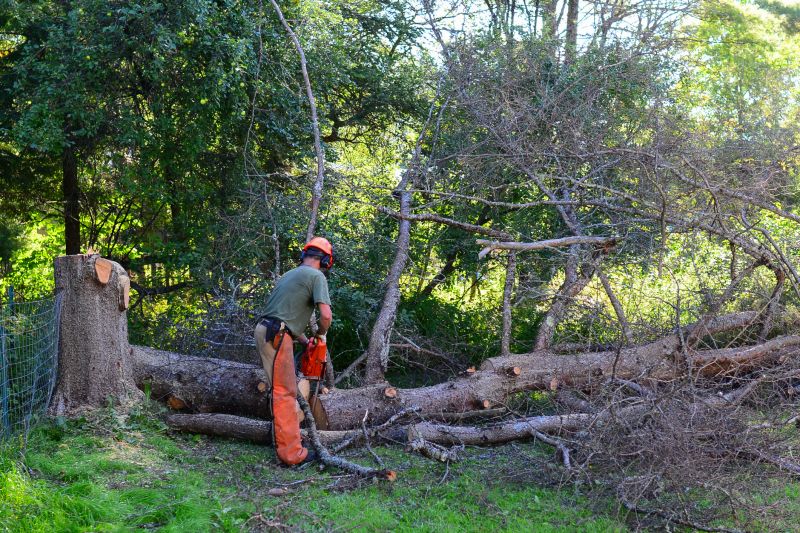
When comparing local contractors for dead tree removal, it’s important to consider their experience with similar projects. Homeowners should look for professionals who have a proven track record of safely and effectively removing trees comparable in size and location to the one in question. An experienced service provider is more likely to understand the nuances of different tree species, access challenges, and potential risks, ensuring the job is handled efficiently and with care.
Clear, written expectations are essential when evaluating potential service providers. Homeowners should seek contractors who can provide detailed descriptions of the scope of work, including what is included and any potential limitations or additional services. Having this information in writing helps prevent misunderstandings and ensures that both parties are aligned on the process, safety measures, and the final outcome.
Reputable references and good communication are also key factors in selecting a dependable local pro. Asking for references from previous clients or checking online reviews can provide insights into the contractor’s reliability and quality of work. Additionally, service providers who communicate openly and promptly-whether answering questions, explaining procedures, or providing updates-are more likely to deliver a smooth and satisfactory experience. It’s important to remember that this site introduces homeowners to local options, connecting them with qualified contractors rather than performing the work itself.
Property owners use Dead Tree Removal services for practical projects around their homes and businesses. This guide focuses on everyday jobs and straightforward project options.
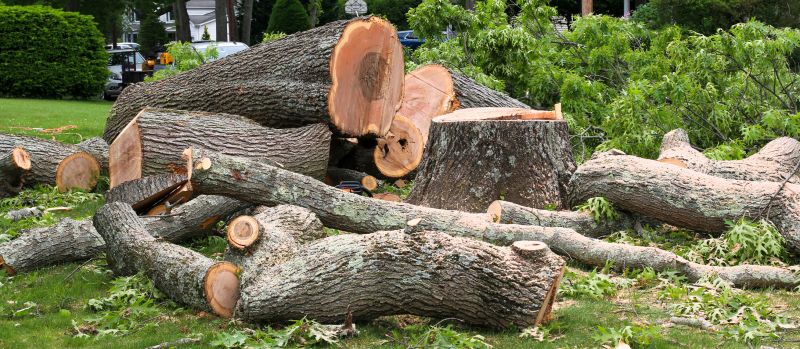
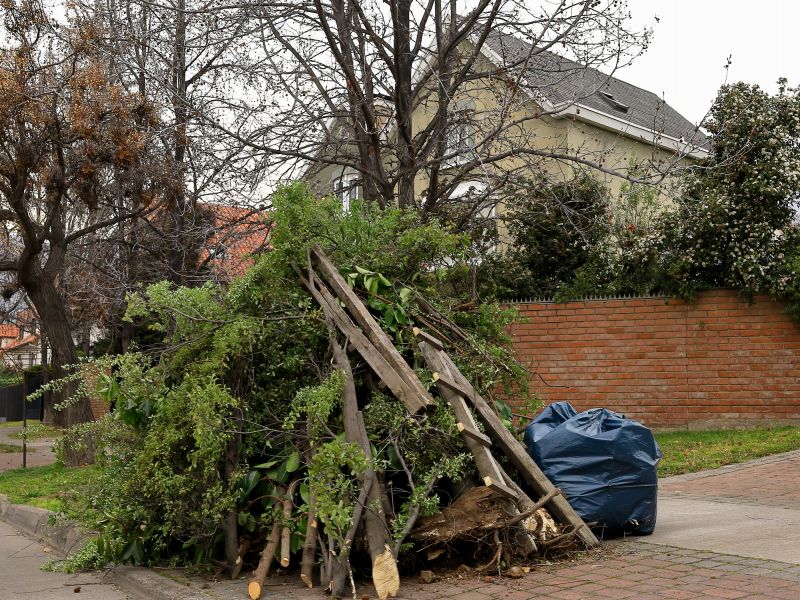
Dead tree removal is a common service requested by property owners dealing with trees that have become dead, decayed, or pose a risk of falling. Whether a tree has been damaged by storms, shows signs of disease, or simply no longer fits the landscape, local contractors can provide safe and efficient removal. These professionals help maintain the safety and appearance of residential and commercial properties by carefully removing hazardous trees that could potentially cause damage or injury.
Property owners might also seek dead tree removal to improve the health of surrounding plants or to prepare for landscaping projects. Removing dead or dying trees can prevent pests from spreading and reduce the risk of branches or entire trees falling unexpectedly. Local service providers are available to assess the situation and handle the removal process, ensuring that the work is done safely and with minimal disruption to the property.
Why should I remove a dead tree from my property? Removing a dead tree can prevent potential hazards such as falling branches or the entire tree, which could cause damage or injury.
How do I find local contractors who handle dead tree removal? You can contact service providers in your area who specialize in tree removal to compare options and find the right fit for your needs.
Are there different methods for removing dead trees? Yes, local contractors may use various techniques like cutting, grinding, or removal in sections, depending on the tree's size and location.
What should I consider when choosing a dead tree removal service? It's important to review the experience, reputation, and services offered by local contractors to ensure they can handle your specific situation.
Can dead tree removal be combined with other tree services? Many service providers also offer related services such as stump grinding or pruning, which can be coordinated with dead tree removal.
Improve Property Safety - Removing dead trees can prevent potential hazards caused by falling branches or trees, ensuring a safer environment around the property.
Enhance Curb Appeal - Clearing away dead or decaying trees can refresh the appearance of a yard, making it more attractive and inviting.
Create Space for New Landscaping - Dead trees can be removed to open up space for planting new trees, shrubs, or garden features.
Prepare for Storm Seasons - Removing weakened or dead trees can reduce the risk of storm damage and help protect structures during severe weather.
If you are thinking about Dead Tree Removal for a property, this guide is meant to help you understand the work, the typical project types, and how different options might fit your plans.
When you are ready, you can use the quote form on this page to share a few details about your project. From there, local pros can review the basics and respond with options that match what you have in mind.