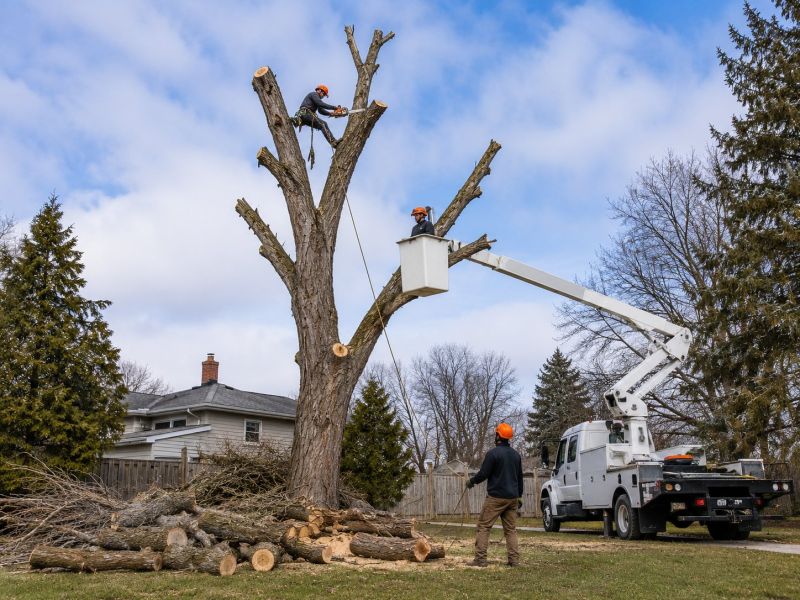
Elm Tree Removal in Montgomery County, PA
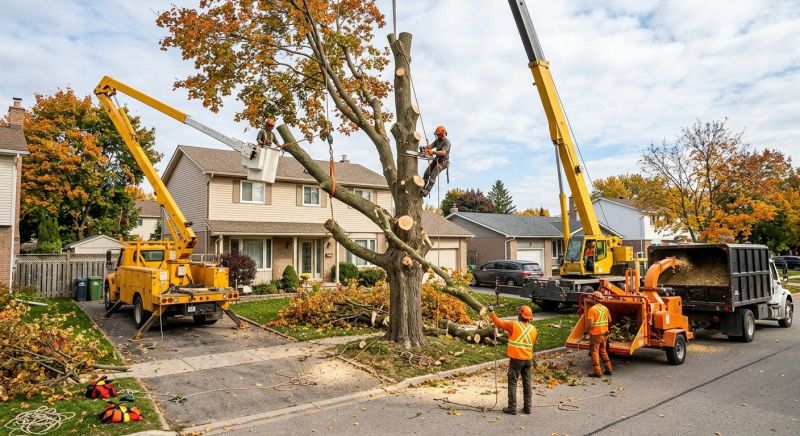
Elm tree removal services involve the careful elimination of elm trees that may pose safety concerns, become diseased, or are no longer desired on a property. These projects can range from removing a single tree that has become hazardous to clearing multiple trees during property renovations or land clearing efforts. Property owners typically want to understand the scope of the removal process, including how the tree will be safely cut and removed, as well as what to expect regarding debris cleanup and site restoration afterward.
Before requesting elm tree removal, homeowners often seek information about the size and health of the tree, any potential impacts on surrounding structures or landscaping, and whether permits or approvals are necessary. It is also common to inquire about the best timing for removal to minimize disruption or damage. Understanding these details helps property owners plan appropriately and ensure the work aligns with their property management goals.
Many property owners in Montgomery County, PA look into Elm Tree Removal for repairs, replacements, upgrades, and appearance-related improvements.
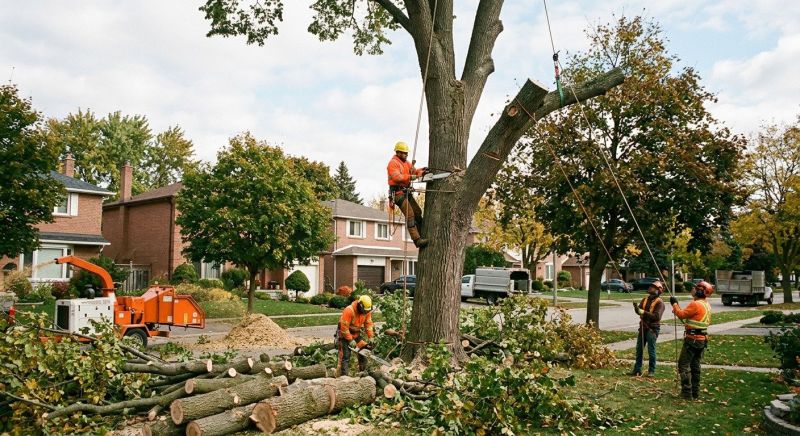
Reasons To Remove Elm Trees
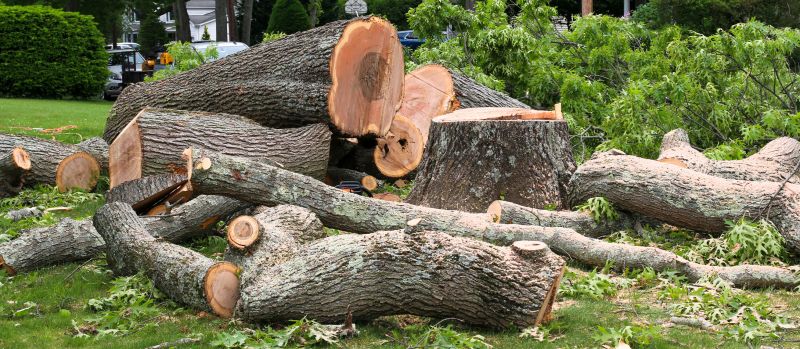
Removing damaged or diseased elms helps maintain safety and property value.
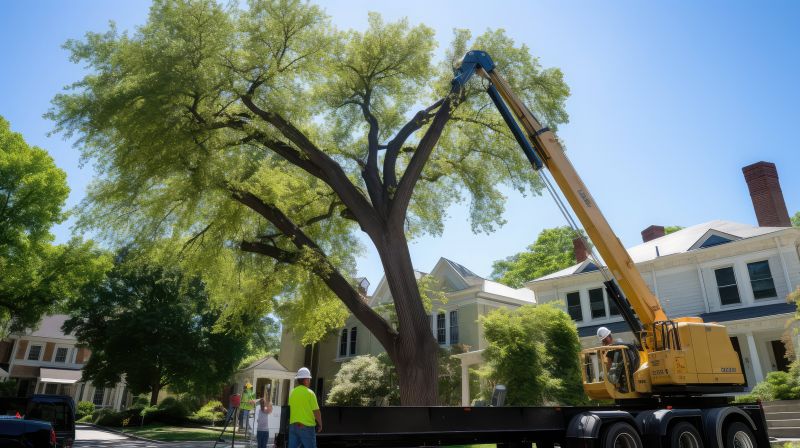
Elm Tree Removal Process
Proper removal involves careful planning to prevent damage to surrounding landscape.
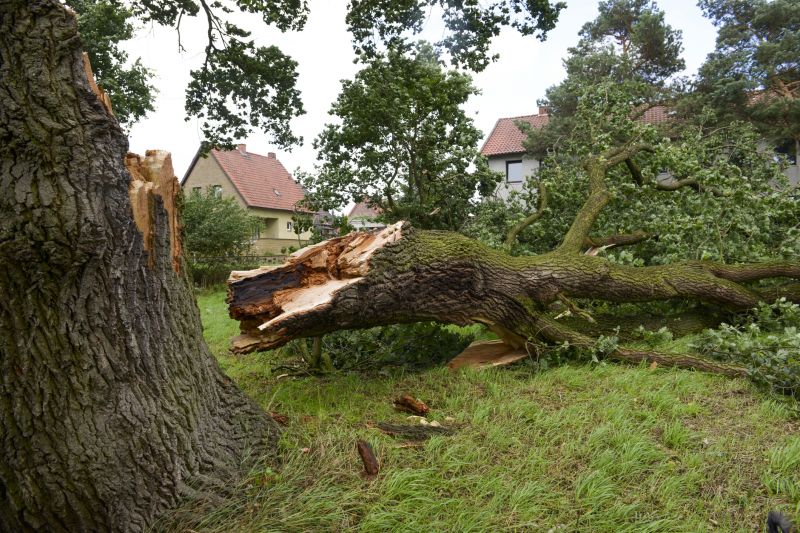
Post-Removal Landscaping Tips
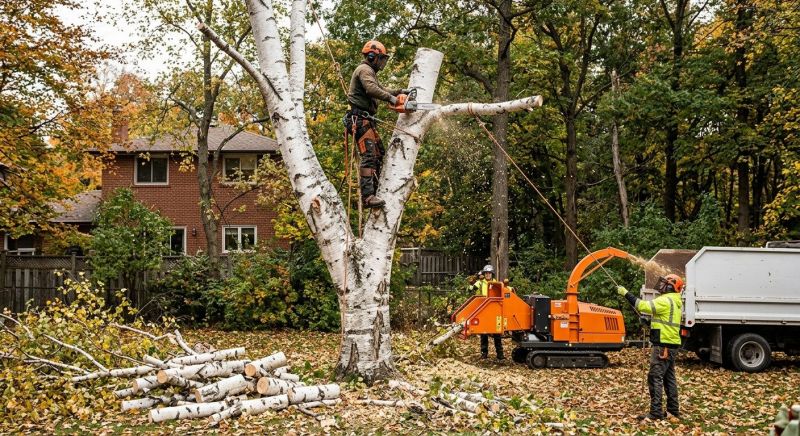
Restoring the area after removal can improve curb appeal and prevent future issues.
Elm Tree Removal in Montgomery County, PA
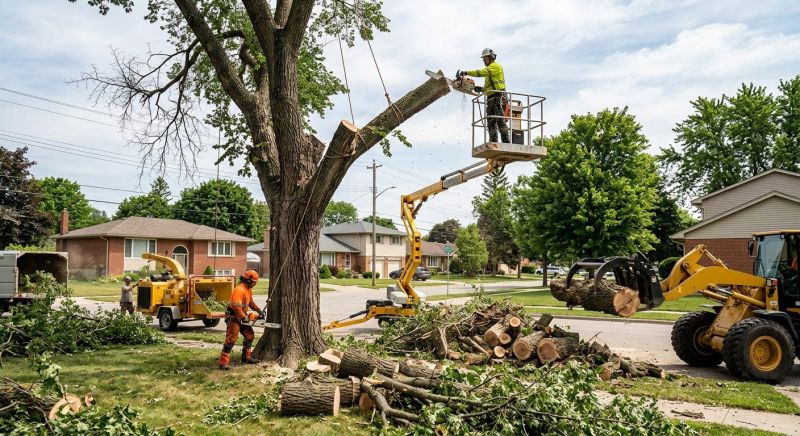
Elm tree removal services involve the careful elimination of elm trees that may pose safety concerns, become diseased, or are no longer desired on a property. These projects can range from removing a single tree that has become hazardous to clearing multiple trees during property renovations or land clearing efforts. Property owners typically want to understand the scope of the removal process, including how the tree will be safely cut and removed, as well as what to expect regarding debris cleanup and site restoration afterward.
Before requesting elm tree removal, homeowners often seek information about the size and health of the tree, any potential impacts on surrounding structures or landscaping, and whether permits or approvals are necessary. It is also common to inquire about the best timing for removal to minimize disruption or damage. Understanding these details helps property owners plan appropriately and ensure the work aligns with their property management goals.
Many property owners in Montgomery County, PA look into Elm Tree Removal for repairs, replacements, upgrades, and appearance-related improvements.
Common Elm Tree Removal Jobs
Tree removal - safely removing trees that pose hazards or are no longer healthy.
Storm-damaged trees - clearing trees that have been damaged in storms to prevent further risks.
Overgrown trees - reducing excessive growth to improve property aesthetics and prevent obstruction.
Unwanted trees - removing invasive or unwanted trees to make space for new landscaping.
Root removal - extracting tree roots that interfere with foundations, driveways, or underground utilities.
Selective tree removal - removing specific trees to maintain landscape balance and safety.
Elm Tree Removal Questions
When is it necessary to remove an elm tree? Removal may be recommended if the tree shows signs of disease, structural instability, or poses a risk to nearby structures and people.
What are common reasons for elm tree removal? Elm trees are often removed due to extensive decay, storm damage, or to prevent the spread of pests and diseases.
How can I tell if an elm tree needs removal? Indicators include dead or dying branches, large cracks, fungal growth, or leaning significantly from the trunk.
What should property owners consider before removing an elm tree? It's important to assess the tree's condition, potential impacts on surrounding areas, and any local regulations regarding tree removal.
Request Elm Tree Removal in Montgomery County, PA
Use the quote form on this page to share the basics of your project and request more information for the type of work you need.